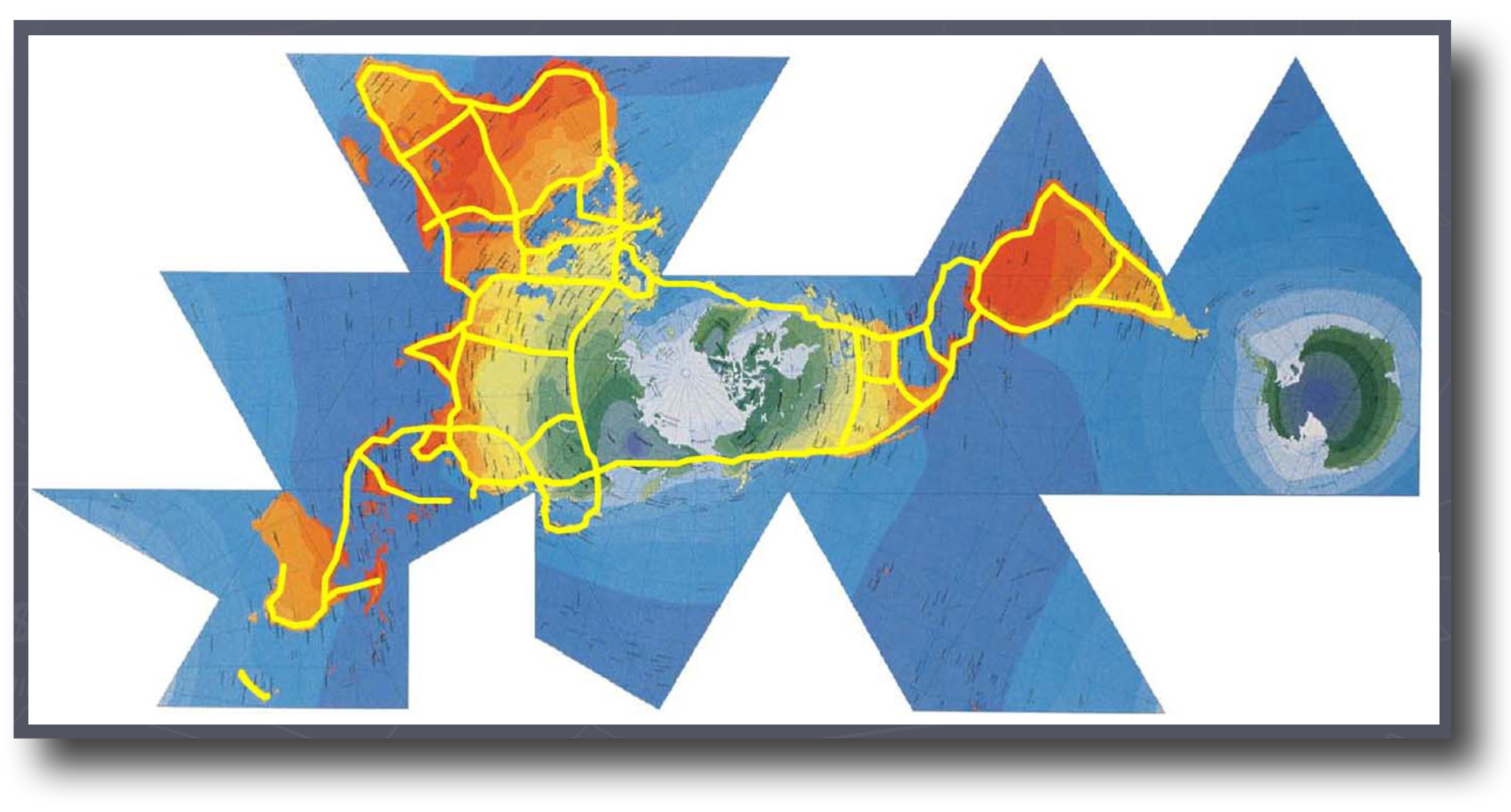
I was sitting on the bus thinking about electricity. As you do. Britain and France's national grids are connected, so that surplus energy in one network can be used by another. This is helpful because power stations tend to take a while to get up to full efficiency, so it is best to keep them running almost constantly. Power usage, however, rises and falls dramatically according to the time of day.
Having a national grid irons out some of the peaks and troughs, due to variations in power consumption across the country. Energy companies also sell night-time electricity at a discounted rate, often to businesses but also to consumers with storage heaters, that use power in the night and release the heat throughout the day.
The bigger the grid you have, the more that local variations are taken care of, by using power piped in from somewhere there is less demand. So it was a great leap forward to connect our little island with mainland Europe by underwater high voltage cables. We can now borrow electricity from France and they from us. The morning surge when people switch their kettles on happens an hour earlier in France, due to the time difference. So I expect we send them lots of power for that. Likewise we boil the kettle for our hot water bottles a little later than them.
Gas can be stored relatively easily, but to store electricity is prohibitively expensive and quite inefficient, so there exist various ways to store potential energy that has been created with electricity. In Wales there are a couple of 'pumped storage' power stations, that use cheap off-peak electricity to pump water up a few hundred metres to a reservoir. When there is a power surge, the plug is pulled and the water rushes down, though turbines and generates a lot of power for an hour or so.
Another proposed solution is to use pressurised air stored in huge natural cave systems. And a perhaps more practical option is to use the electricity to seperate Oxygen and Hydrogen in water. Hydrogen can be stored (although it is a lot more explosive than natural gas) and can run engines or fuel cells for static or mobile energy generation.
Anyway, my musing was more about whether the grids of France are connected to those of Germany and other countries . I was imagining this surge of power flowing westward towards the sunset. But having arrived in Ireland, where would it go? Are there transatlantic power cables? Somehow I doubt it. Guess I'll have to do a teeny bit of research, before starting my revision proper.
http://www.terrawatts.com/ - the page *for* a global electricity network
http://climate.blog.co.uk/2006/05/09/the_global_electricty_grid~786943 - an intelligent dissenter
http://www.smm.org/buzz/blog/think_globals_electric_car_city - a cool electric car project
http://www.hybridcars.com/news/car-electric-grid-utopia-caveats.html - more cool car stuff
Ok, these last couple were interesting in the sense that they are talking about car energy storage as a potentially two-way flow. In other words, the car is charged when it is cheapest, but could potentially be harnessed as an energy source at peak times. The last page linked to suggests "all the energy needs for the entire United States could be run for five hours from a nationwide fleet of plug-in hybrids, if those vehicles held enough battery energy to run a vehicle in all-electric mode for 33 miles". It sounds good, but are people really going to want to have their car batteries only partially charged?


No comments:
Post a Comment